Sun exposure is one of the leading causes of premature skin ageing, precancerous skin changes, and skin cancer development. While pigmentation and sunspots are common visible signs of sun damage, ultraviolet (UV) radiation also creates microscopic cellular injury within the skin long before changes become obvious on the surface.
At our cosmetic dermatology clinic, wefocus not only on improving the appearance of sun-damaged skin, but also ontreating and managing early precancerous changes such as Actinic Keratoses(AKs) and field damage caused by cumulative UV exposure.
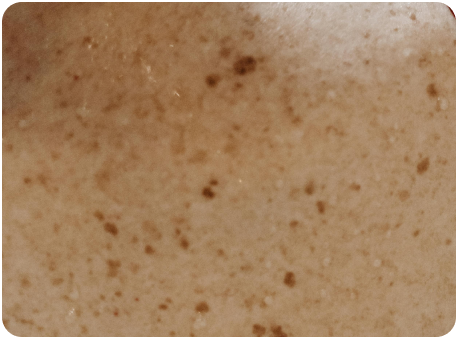
Repeated exposure to ultraviolet (UV) radiation from the sun causes damage to the DNA within skin cells. Over time, this accumulated damage affects the skin’s ability to repair itself normally, leading to abnormal cellular changes, inflammation, collagen breakdown, pigmentation changes, and precancerous lesions.
Sun damage is cumulative, meaning even small amounts of daily exposure over many years contribute to long-term skin injury and ageing. Areas most commonly affected include face, scalp, chest, neck, arms and hands.
Common signs of Sun Damage:
Actinic Keratoses are considered precancerous lesions because some can progress into squamous cell carcinoma(SCC), a common form of skin cancer. For this reason, treatment often focus eson not only improving the appearance of the skin, but also is a preventative measure again skin cancers progressing.
Preventing further UV damage is essential in maintaining treatment results and reducing future skin cancer risk. Were commend:
Combination Treatment Approaches are usually preferred when treating UV damaged skin, to target the many different levels of the skin that can be damaged. Treatment usually involves a level of skin resurfacing in order to remove potential precancerous cells and damage away from the skins surface.