Skin cancer occurs when abnormal skin cells grow uncontrollably, usually as a result of damage from ultraviolet (UV) radiation.
The three most common types of skin cancer include:
Basal Cell Carcinoma(BCC) – the most common and generally slow-growing form
Squamous Cell Carcinoma (SCC) – can grow more quickly and may spread if left untreated
Melanoma – a less common but more serious form of skin cancer that requires early diagnosis
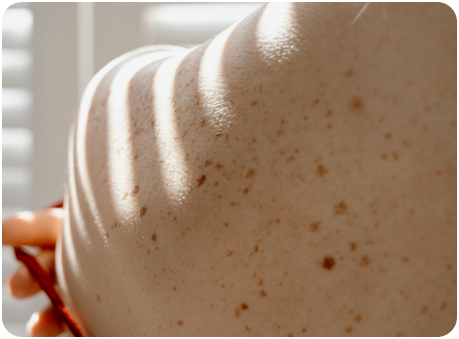
It’s important to monitor your skin for any new or changing spots. Common warning signs may include:
If you notice any concerning changes, a professional skin check is recommended.
Dermatologist-led approach ensures patients receive expert assessment and evidence-based care. We use specialised diagnostic techniques to carefully examine the skin and identify suspicious lesions early.
Regular skin checks are especially important for people who:
If you have concerns about a spot or would like a routine skin check, our team is here to help. Early assessment can make a significant difference in protecting your long-term skin health.
Some common treatment options Flinders Street Dermatology can offer for the treatment of skin cancers are: