Understanding Medical Peels
Living and practicing in Australia, I see firsthand the impact our climate has on skin health. We’re known for our beautiful beaches and outdoor lifestyle—but we also carry one of the highest rates of skin cancer in the world. That’s not just a statistic; it’s something that walks into my clinic every day.
Australia’s intense ultraviolet (UV) radiation, combined with a predominantly fair-skinned population, creates the perfect conditions for skin damage. Over time, this damage can lead to various forms of skin cancer, including the most serious: melanoma.
Skin cancer is one of the most preventable and treatable cancers when caught early. That’s the key: early detection.
A professional skin check allows us to:
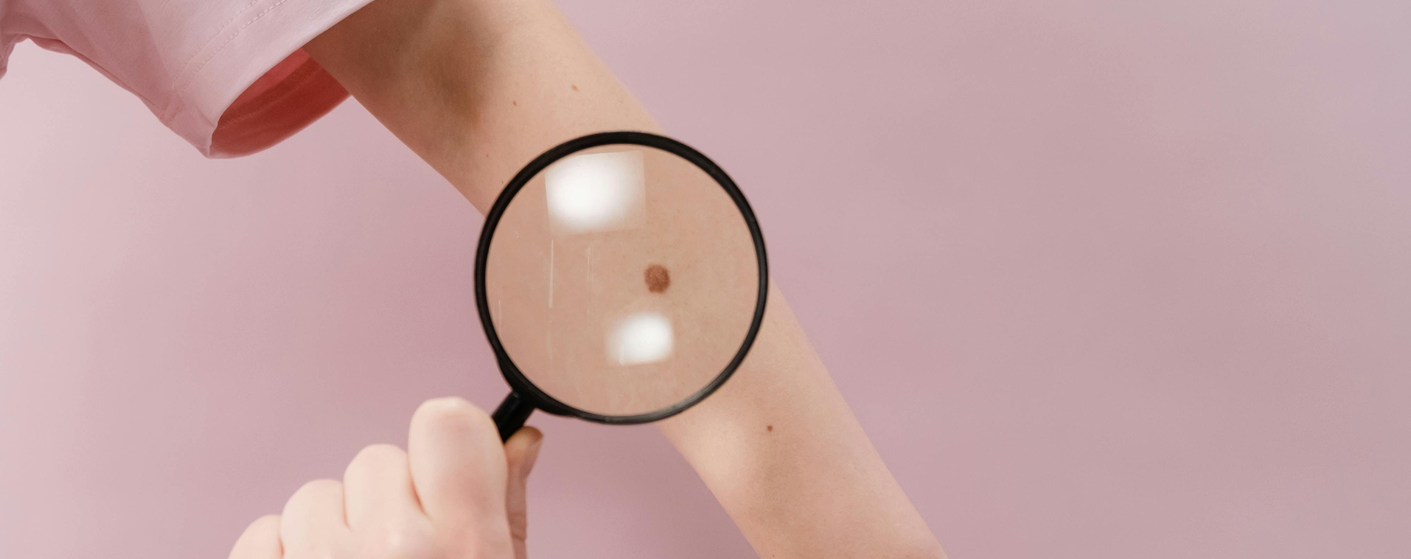
Identify suspicious moles or spots you may not notice yourself.
Track changes in existing lesions over time.
Use dermoscopy (a specialised tool) to detect patterns invisible to the naked eye.
Diagnose and treat cancers before they become dangerous.
For most adults, an annual skin check is a good baseline. Some people may need more frequent monitoring depending on their risk.
While checks are crucial, prevention is your first line of defence:
Wear broad-spectrum SPF 50+ sunscreen daily
Reapply every 2 hours when outdoors
Seek shade, especially between 10am–4pmWear protective clothing, hats, and sunglasses
Think of skin checks as your safety net, not your only strategy.